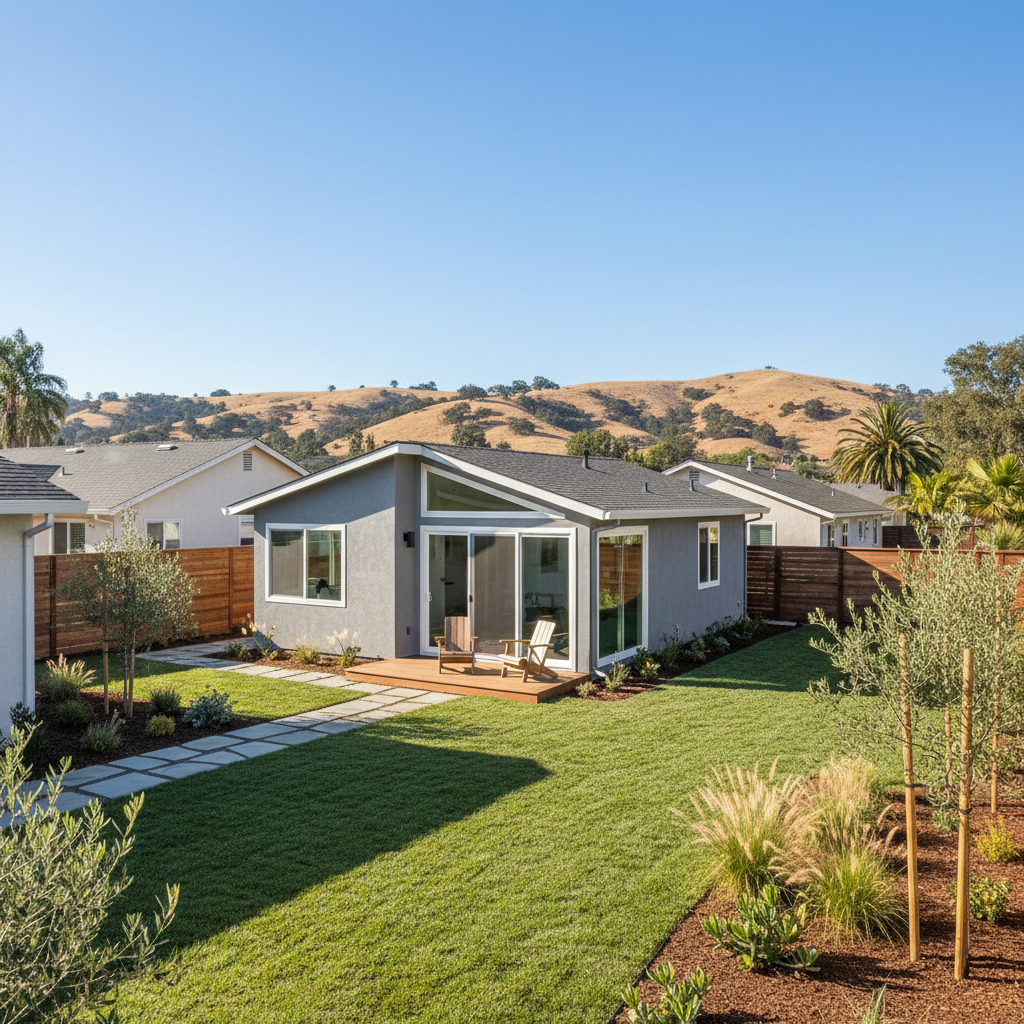
Alright, so you're thinking about building an ADU right here in Cupertino. That's a really smart move, if you ask me. Whether it's for family, bringing in some rental income, or just needing a bit more space, an Accessory Dwelling Unit can be a fantastic investment. But let me tell you, it's not like buying a new car. This is a project, and like any big project, it absolutely needs solid planning. You wouldn't build a house without a blueprint, right? It's the same deal when you're managing your ADU build.
Figuring Out Your ADU Project Timeline
Let's get down to business about how long this whole thing actually takes. From the very beginning — design, permits, and then construction — you're generally looking at 8 to 14 months for a typical ADU project here in Cupertino. Some folks even say 12-18 months, or even up to 24 months for really complex ones. That's a pretty big range, I know, but there are just so many moving parts.
- Design Phase: This is where your big ideas start to take shape. You'll team up with an architect or designer to draw up plans that fit what you need and, super important, meet Cupertino's specific zoning and building codes. This can easily take a couple of months, sometimes more if you're going back and forth on different ideas.
- Permitting Phase: Often, this is the longest and most unpredictable stretch. After the design is done, your plans head to the city for review. Cupertino uses an online portal, which is helpful, but even with that, it's still a process. State law says the city has 60 days to approve or deny a complete ADU application. In reality, though, with plan checks, corrections, and needing to resubmit things, this phase can easily stretch to 3-6 months. For a straightforward detached ADU, it might even be 4-6 months from that first submittal until you actually get your permit. If you're lucky enough to use one of Cupertino's pre-approved ADU plans, that permit review time can shrink a lot, sometimes down to about 30 days.
- Construction Phase: Once those permits are finally in your hand, the real building starts. This part usually takes around 4 to 8 months, depending on how big and how complicated your ADU is. For a detached ADU, you might see 8-14 months for construction. A garage conversion could be quicker, maybe 4-6 months.
What Happens During the Process
Building an ADU isn't always a walk in the park, but knowing what's coming definitely helps. After the design and permitting, construction kicks off with getting the site ready. That means preparing the ground, maybe some demolition, digging, and grading. Since we're in an earthquake-prone area, a solid foundation is absolutely critical here.
Then comes framing, which is pretty exciting because you finally see the structure go up. After that, it's time for the rough-ins — plumbing, electrical, and HVAC. These stages all need inspections by the city to make sure everything meets code before you can move forward. You'll have more inspections as insulation, drywall, and finishes go in. Every single inspection has to pass before the next phase can even begin.
Expect some dust, noise, and contractors on your property. It's just part of the deal. Good communication with your contractor is key here, no doubt about it. You'll want regular updates on how things are going, any issues that pop up, and how they're being handled. Things like unexpected soil conditions or having to reroute utility lines can cause delays and cost adjustments. Setting aside a contingency fund, say 10-15% of your budget, is a really smart move for these kinds of surprises.
How to Get Your Property and Yourself Ready
Being prepared is half the battle, right? Before you even talk to a designer or contractor, do a little homework:
- Site Assessment: Walk around your property. Think about where that ADU could actually go. Are there trees that need to be removed? How will construction vehicles and equipment even get access? Modular or prefab units, for instance, need a clear path for delivery.
- Utilities Check: Where are your existing sewer, water, and electrical lines? Will they need to be extended or upgraded? Some cities might require separate meters, others let you share connections. This is especially important in older Cupertino neighborhoods where the infrastructure might need some updating.
- Preliminary Design Ideas: You don't need blueprints yet, but have a rough idea of what you're hoping for. How many bedrooms? What style? What features are absolutely essential? This really helps you explain your vision to the professionals.
- Budget Realism: ADUs aren't cheap, especially here in Cupertino. Costs can range from $130,000 for a garage conversion to over $500,000 for a detached unit. This includes "soft costs" like permit fees, architectural services, and possibly impact fees if your ADU is over 750 sq ft.
Questions You Should Ask Before Signing a Contract
This part is super important. You're trusting someone with a big investment, after all. So don't be shy. Here are some essential questions for any contractor:
- How many ADUs have you actually built, especially in Cupertino or nearby? General construction experience is one thing, but ADUs have unique permitting and zoning challenges. You really want someone who knows the local rules inside and out.
- Can you show me three recent ADU projects you've completed? Ask for photos, and if possible, references you can call. You want to see their finished work and hear from previous clients.
- What's your typical timeline for a project like mine, and how do you handle delays? Delays happen, it's just a fact of life. You need to know their plan for communicating and trying to prevent them.
- What exactly is included in the quoted price, and what might be extra? Get a detailed breakdown. Make sure you understand what's covered and what could be an additional cost. This helps avoid those nasty surprises.
- Are you licensed, bonded, and insured? Always, always verify this. In California, you can check a contractor's credentials on the state Department of Consumer Affairs website.
- How will we communicate throughout the project? Weekly calls? Emails? A project management app? Clear communication really prevents misunderstandings.
- Do you offer any warranty on your work? A good contractor stands behind their craftsmanship, wouldn't you agree?
Planning an ADU project is definitely a journey, not a sprint. By understanding the timeline, getting your property ready, and asking the right questions, you'll really set yourself up for a successful build. Here at Cupertino ADU Solutions, we believe in being upfront and helping homeowners get through this process with confidence. Don't hesitate to reach out if you've got more questions.