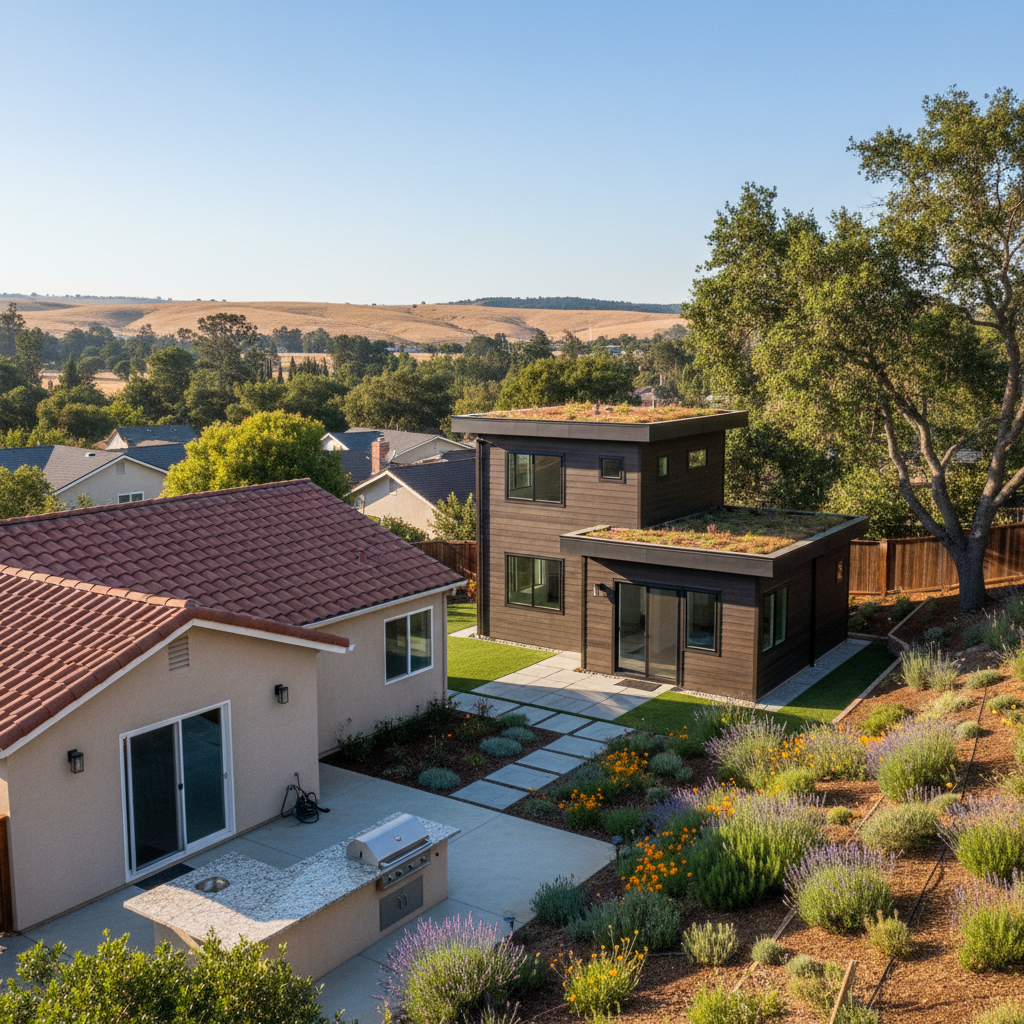
Building an ADU? That’s a pretty big undertaking. It’s not just another home improvement gig; you’re adding a whole new place to live. I’ve seen enough projects to know the smooth ones usually happen when the homeowner is ready for what’s ahead. This isn’t about becoming an expert yourself, it’s really about getting a handle on the process so you can make smart choices. So, what does that actually look like?
Figuring Out Your ADU Timeline
People always hit me with the same question: “How long will this take?” My answer? Always, “It depends.” But I can definitely give you a general idea of the steps and what to expect. Let’s break it down into three main phases: planning, getting permits, and then the actual building.
- Planning & Design (2-4 months): This is where you hash out exactly what you want. You’ll team up with a designer or architect to get those plans drawn up. This covers things like site surveys, architectural drawings, structural engineering, and sometimes even calculations for energy. Don’t try to rush this part – seriously. Making changes on paper is cheap; waiting until construction starts? That gets pricey.
- Permitting (3-6 months, or more): Once your plans are good to go, they head over to the City of Cupertino for review. This can be a bit of a slow dance. You’ve got the plan check, then corrections, then you resubmit. It’s pretty common for plans to bounce back and forth a few times. Just try to be patient. The city just wants to make sure everything is safe and meets code. Sometimes, if you’re in an older area like Monta Vista, there might be special historical or neighborhood rules that can tack on a little more time here.
- Construction (4-8 months): Okay, this is the fun part – watching everything actually get built. How long it takes here really depends on the ADU’s size and how complicated it is, plus weather, if materials are available, and how fast inspections happen. A good contractor will keep you in the loop about the schedule.
So, all told, you’re probably looking at somewhere between 9 and 18 months from the day you decide to build until you get that final occupancy permit. That’s a wide range, I know, but it should give you a realistic picture.
What to Expect During the Build
It’s more of a marathon, really, not a sprint. Here’s a quick rundown of what you’ll likely run into:
- Dust and Noise: You’re basically building a small house. So, yeah, there will be noise from tools, trucks, and the crew. And dust. Lots of dust. If you’re living on site, brace yourself for some disruption.
- Inspections: The city’s building department will send inspectors out at different points during construction – foundation, framing, plumbing, electrical, insulation, and then a final one. These are super important. Nothing moves forward until an inspection passes.
- Decisions, Decisions: You’ll be making a ton of choices: finishes, fixtures, paint colors, flooring. Try to nail these down early in the planning phase to avoid any holdups once construction begins.
- Communication is Key: Your contractor should be your main point of contact. Expect regular updates, and don’t ever be afraid to ask questions if something doesn’t make sense.
- Unexpected Issues: Every single project has them. Maybe we hit a surprise rock during excavation, or a supply chain hiccup delays a specific window. A good contractor will tell you about these fast and offer solutions.
How to Get Your Home and Yourself Ready
Getting ready isn’t just about the money; it’s about how you approach it and preparing your property.
- Budget Realistically: Get a really clear picture of all the costs involved, not just the building itself. Think about design fees, permit fees, utility hookups, landscaping, and definitely a contingency fund (10-15% is a smart move).
- Clear the Area: Before construction even starts, clear out the spot where the ADU will go. That means moving sheds, garden beds, or anything else in the way. Make sure there’s easy access for equipment and materials.
- Talk to Your Neighbors: A little heads-up goes a long way, believe me. Let them know what’s happening, when to expect noise, and for how long. It really helps keep those good relationships going.
- Temporary Utilities: Think about how the crew will get water and power. Sometimes you need temporary setups.
- Protect Your Property: If the construction is close to your main house, you might want to protect windows, plants, or anything valuable that could get damaged.
Important Questions to Ask Before Signing a Contract
This is where you protect yourself and make sure you’re working with the right team. Don’t be shy; ask absolutely everything. I always tell people, if a contractor gets annoyed by your questions, they’re probably not the right one for you.
- Are you licensed and insured? Get their contractor’s license number and check it with the CSLB. Ask for proof of liability insurance and workers’ compensation insurance. This is non-negotiable, period.
- Can you provide references? And actually call them. Ask about how they communicate, if they stuck to the budget, the quality of their work, and how they handled any problems that came up.
- What’s included in the bid? What’s excluded? Get a super detailed breakdown. Make sure you understand what you’re paying for and what might be an extra cost. Are permit fees in there? Utility hookups? Landscaping?
- What’s your communication process? How often will we chat? Who’s my main contact? How do you handle change orders?
- What’s your payment schedule? A reputable contractor won’t ask for a huge chunk of money upfront. Payments should be tied to milestones of completed work.
- How do you handle unforeseen issues or delays? Get a sense of how they solve problems.
- What’s the warranty on your work? Understand what’s covered and for how long.
- Have you built ADUs in Cupertino before? Having experience with local regulations and inspectors can truly make a huge difference. We at Cupertino ADU Solutions specialize in this, so we know the local quirks.
Taking on an ADU project is a big commitment, but it’s also a fantastic investment in your property and your community. By taking the time to plan, understand the process, and ask the right questions, you’ll set yourself up for a successful build. It’s your home, your money, and your peace of mind we’re talking about, after all.