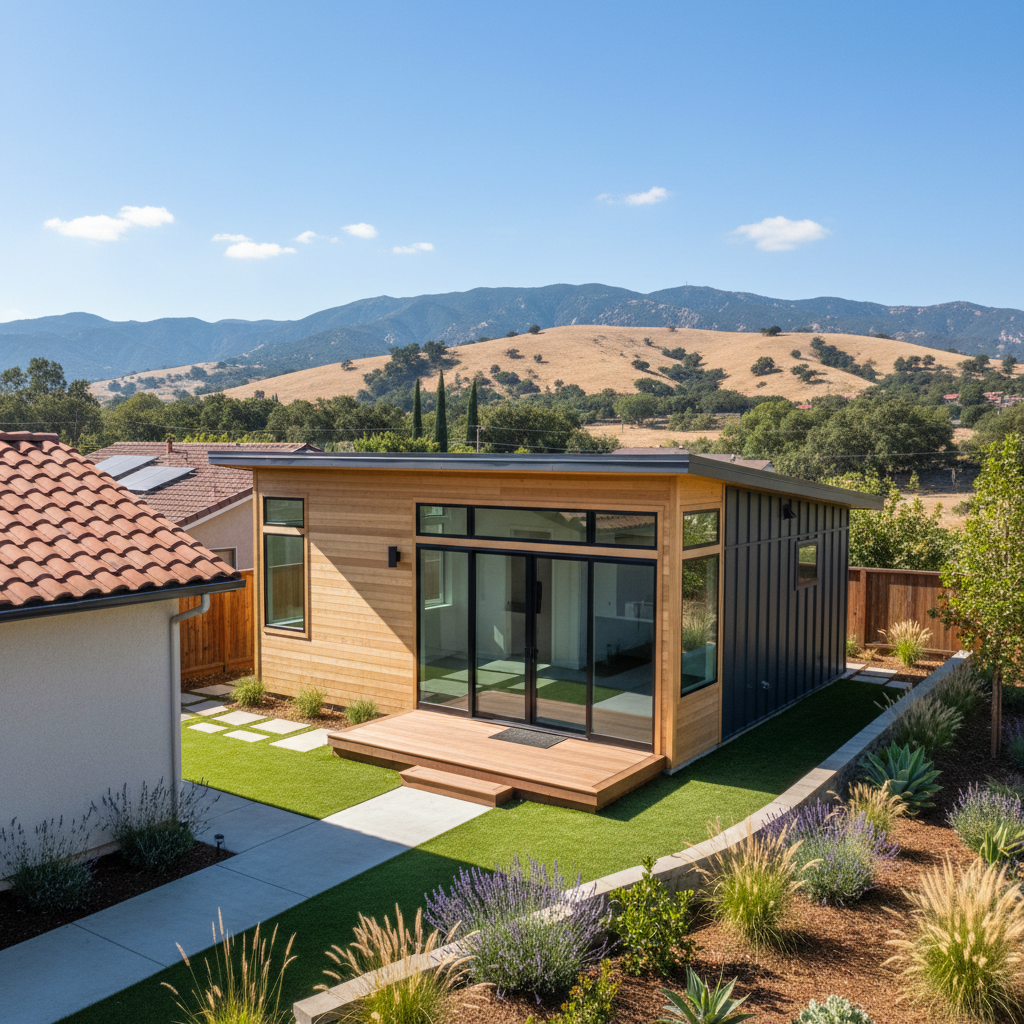
Building an Accessory Dwelling Unit, or ADU, is a pretty big deal. It's not just another home improvement project, after all; you're adding a whole new living space to your property. If you're in Cupertino and thinking about it, you've probably got a ton of questions. I've been doing this for a while, and I've seen firsthand what makes a project go smoothly and what trips people up. Let's talk about what you can expect and how to get ready.
The ADU Project Timeline: What to Expect
Forget those HGTV shows where a house pops up in a month. Real life, especially here in Cupertino, moves at a different pace. An ADU project, from the moment you decide you want one to the day you hand over the keys, usually takes anywhere from 9 to 18 months. Yeah, it's a long haul, but trust me, it's worth it.
- Initial Planning & Design (1-3 months): This is where you figure out what you want, what's actually possible on your lot, and start working with a designer or architect. You'll discuss layouts, materials, and get some preliminary drawings.
- Permitting (3-6 months, sometimes longer): This is often the longest and most unpredictable part of the whole thing. You'll submit your plans to the City of Cupertino. They'll review everything, ask for corrections, and you'll go back and forth. It's a bureaucratic process, no doubt, and patience is key. We've seen projects get held up for weeks just waiting for a specific department to sign off, believe it or not.
- Construction (4-8 months): Once those permits are in hand, the real building begins. This phase includes site prep, foundation, framing, rough-ins (electrical, plumbing, HVAC), insulation, drywall, finishes, and exterior work. Weather can play a role here; those wet winters we get can slow things down, especially early on.
- Final Inspections & Occupancy (2-4 weeks): After construction wraps up, the city inspectors come back to make sure everything meets code. Once they give the all-clear, you get your Certificate of Occupancy.
Preparing for Your ADU Journey
You can make this whole process a lot less stressful by doing some homework upfront. Think of it as laying the groundwork for your build.
- Know Your 'Why': Why do you want an ADU? Is it for family, rental income, or a home office? Your reason will drive design decisions and, of course, your budget.
- Budget Realistically: Get a clear idea of what you can actually afford. Don't just think about construction costs. Factor in design fees, permit fees, utility hookups, and a contingency fund (always have 10-15% extra for the unexpected).
- Understand Your Property: What are your setbacks? Where are your utility lines? Is your lot flat or sloped? The soil in some parts of Cupertino, especially closer to the hills, can be expansive clay, which means you might need a more substantial foundation system. Knowing these things early can save headaches and redesigns later.
- Talk to Your Neighbors: A little heads-up goes a long way. Let them know your plans. Construction can be noisy and dusty, and good communication can prevent future friction.
- Organize Your Documents: Keep all your property deeds, surveys, and any existing plans organized. You'll definitely need them.
What to Ask Before Signing a Contract
This is crucial. You're about to commit to a big investment, so make sure you're comfortable with the team you're hiring. When you're talking to potential contractors – like us at Cupertino ADU Solutions – don't be shy. Ask everything that's on your mind, seriously.
- What's included in the bid? Get a detailed breakdown. Does it cover design, permits, all materials, labor, site cleanup? What's excluded?
- How do you handle change orders? Changes happen. Understand the process for approving them and how they affect the timeline and budget.
- What's your communication plan? How often will we talk? Who is my main point of contact? Will I get regular updates?
- Can I see your license and insurance? Verify they're legitimate and properly covered.
- Can you provide references? And actually call them. Ask about their experience, communication, and if the project stayed on budget and schedule.
- What's your payment schedule? Understand when payments are due and what milestones trigger them. Avoid contractors asking for a huge upfront deposit.
- How do you manage subcontractors? Do they have a trusted network? Are they insured?
- What's the warranty on your work? Get it in writing.
- How long have you been building ADUs specifically? Experience with local regulations and common issues is invaluable.
Choosing the right contractor for your ADU isn't just about the lowest bid; it's about trust, experience, and a clear understanding of the entire process. Take your time, ask the tough questions, and you'll be much happier with the outcome.