Thinking About a Detached ADU?
So, you're looking at your backyard in Cupertino and picturing a detached ADU. Maybe it's for family, extra income, or just some dedicated space. That's a smart move. An ADU can add serious value and utility to your property, especially in a place like Cupertino where space is at a premium. But before you grab a hammer, let's talk about what you're really getting into. I've seen a lot of these projects, and there's a clear line between what a homeowner can realistically DIY and when you absolutely need a professional.
Before You Break Ground: The Planning Stage
This is where most of the 'DIY' work for homeowners happens, and honestly, it's the most critical. You can save a lot of money and headaches by doing your homework here.
- Understanding the Rules: Cupertino has specific zoning and building codes for ADUs. Don't just assume what you saw online applies here. You need to check the city's planning department website or even better, go down there and talk to someone. They'll tell you about setbacks, height limits, lot coverage, and parking requirements. This isn't optional; it's foundational.
- Budgeting Realistically: Get some quotes. Even if you plan to do some work yourself, you'll need materials, permits, and likely some specialized labor. People often underestimate the cost of site work – trenching for utilities, grading, and pouring a foundation. Those aren't cheap.
- Design & Layout: You can sketch out ideas, look at floor plans online, and decide on the general size and function. This is great for figuring out what you want. But when it comes to actual construction drawings that meet code? That's where an architect or a good ADU designer comes in. They'll know how to maximize space and deal with things like fire separation and energy efficiency.
- Permits: This isn't a DIY job. You'll need to submit plans to the city for approval. Unless you're an experienced drafter and understand all the structural and electrical codes, you're going to need professional plans.
What can you DIY here? Research, initial budgeting, and gathering inspiration. What needs a pro? Detailed design, engineering, and permit submission. Don't skimp on this part; it sets the stage for everything else.
During Construction: Where the Rubber Meets the Road
Okay, plans are approved, permits are in hand. Now the real work starts. This is where the 'DIY' line gets very distinct.
- Site Prep & Foundation: Unless you own heavy machinery and know how to operate it, this is 100% pro territory. Digging trenches for utilities, leveling the site, pouring a concrete slab – these are specialized tasks that need to be done right the first time. A bad foundation means a bad building.
- Framing: If you've got solid carpentry experience, you might tackle framing. It's physically demanding and requires precision. Walls need to be plumb and square, and you need to understand load-bearing points. For most homeowners, this is a job for experienced framers.
- Rough-ins (Electrical, Plumbing, HVAC): Absolutely call a licensed professional for these. You're dealing with electricity, water, and gas lines. Mistakes here aren't just costly; they're dangerous. Plus, inspections for these systems are rigorous, and a pro knows exactly what the inspector is looking for. This is non-negotiable.
- Insulation & Drywall: Insulation is pretty straightforward to install yourself if you're careful about sealing gaps. Drywall hanging can be done by a determined DIYer, but finishing (taping, mudding, sanding) to a professional standard is an art form. If you want smooth walls, you might hire a drywall finisher.
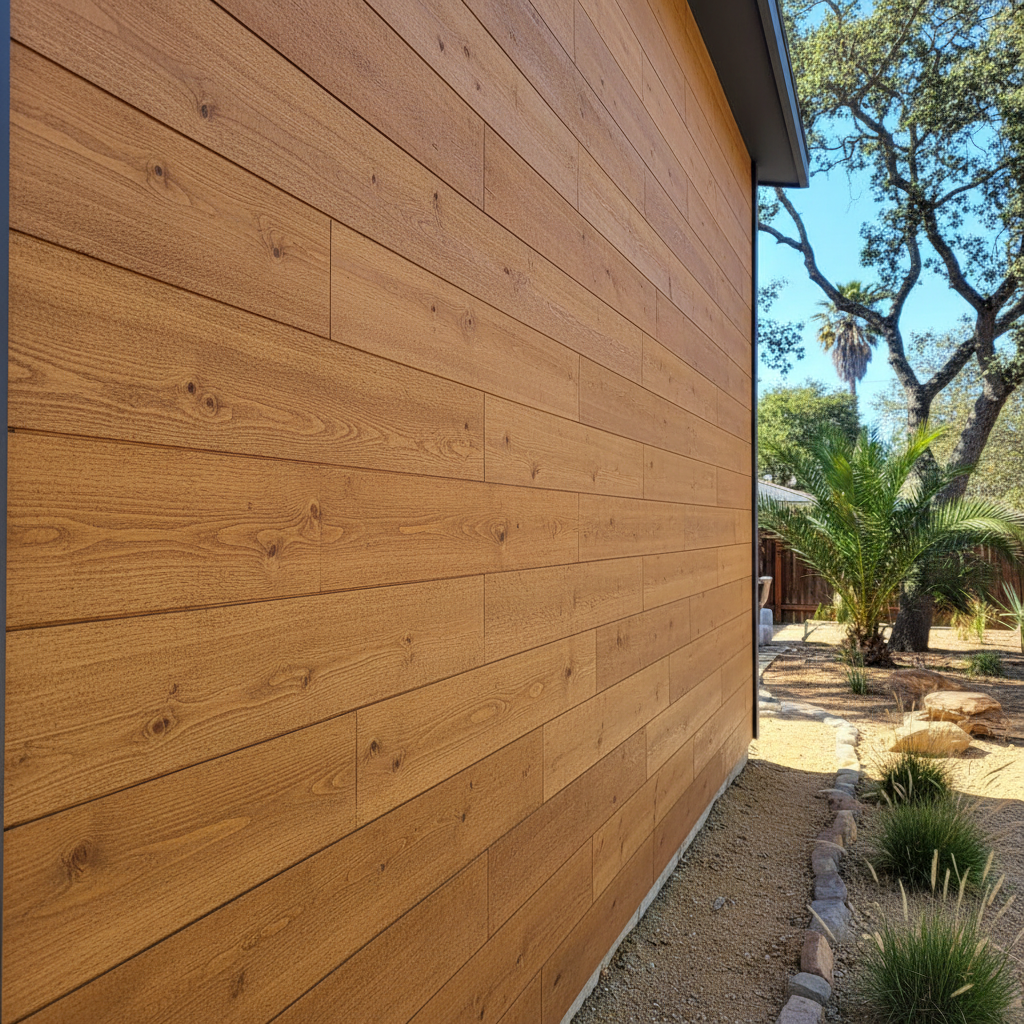
- Exterior Finishes (Siding, Roofing): Roofing is a specialized skill, and safety is a huge concern. Siding can be a DIY project depending on the material, but again, quality matters for weatherproofing. Given Cupertino's occasional heavy rains, you don't want water getting in.
- Interior Finishes (Flooring, Painting, Cabinets, Trim): This is prime DIY territory! Painting is a classic homeowner task. Installing laminate or engineered wood flooring is manageable. Assembling and installing pre-fab cabinets can save you a bundle. Trim work requires patience and a miter saw, but it's very doable. These are areas where you can really personalize the space and save money on labor.
My advice? If it involves structural integrity, utilities, or something that could cause major damage if done wrong, hire a pro. For everything else, if you've got the time, tools, and patience, go for it.
After It's Built: The Finishing Touches
Once the ADU is built and inspected, there are still things to consider.
- Landscaping: This is another great DIY opportunity. You can design and install your own pathways, planting beds, and even a small patio. It adds curb appeal and makes the ADU feel like a complete space.
- Furnishing & Decorating: Obviously, this is all you. Make it feel like home.
- Maintenance: Just like your main house, an ADU needs ongoing maintenance. Keep an eye on the roof, siding, and drainage.
Look, building an ADU is a big project. It's not a weekend warrior job, even for the most skilled homeowner. But by strategically tackling what you can and knowing when to bring in the experts – like us at Cupertino ADU Solutions for the heavy lifting and critical systems – you can get a fantastic outcome. Don't be afraid to get your hands dirty, but also don't be afraid to pick up the phone when you're out of your depth. It'll save you money and stress in the long run.