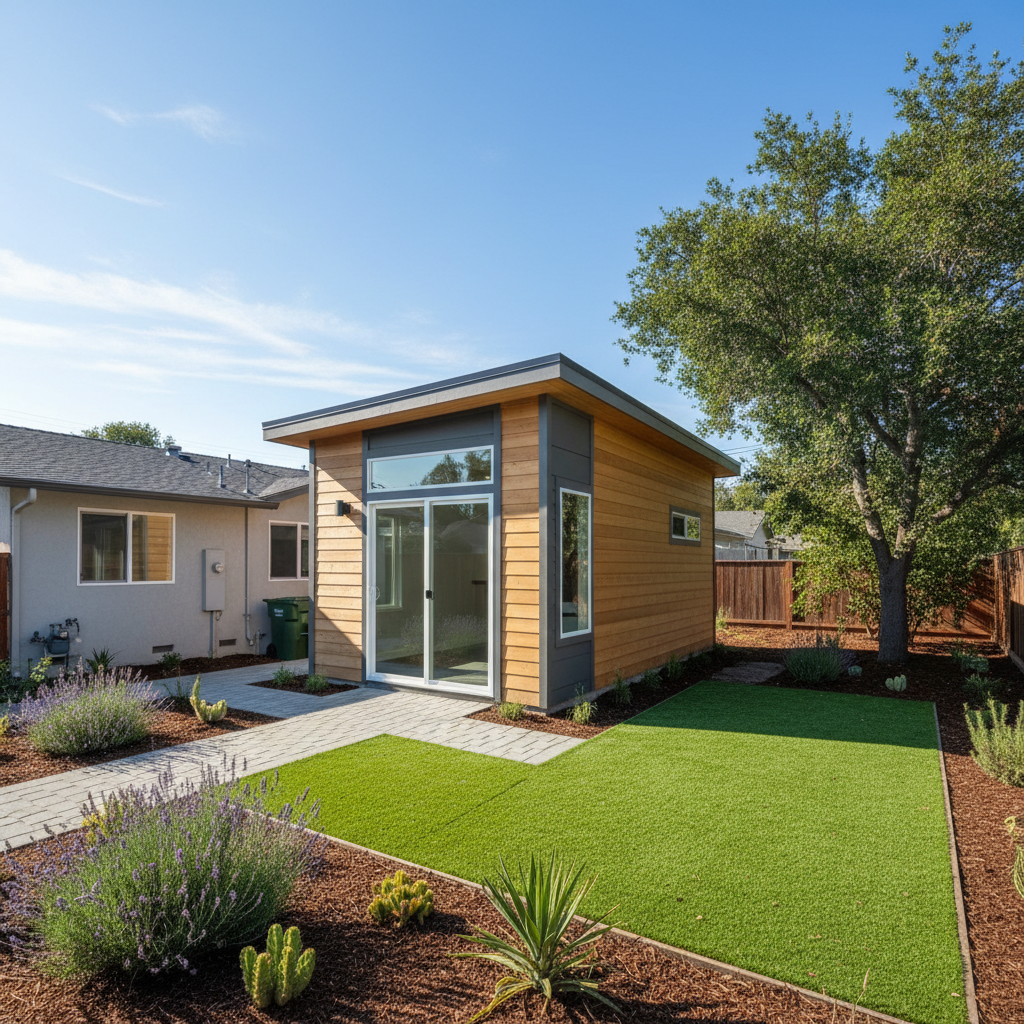
Thinking about adding a Junior ADU (JADU) to your Cupertino home? Smart move. Whether it's for an aging parent, a young adult, or just some extra rental income, a JADU can really change things up. But let's be honest, the first thing everyone asks is always, "How much is this actually going to cost me?"
So, What Exactly Is a Junior ADU?
Before we start talking money, let's quickly clear something up. A JADU is a specific kind of accessory dwelling unit. It always sits inside your main home's existing walls, usually carved out of an attached garage or maybe an unused bedroom suite. It gets its own outside entrance, a small kitchen (often just a sink, some counter space, and appliances that don't need a 240V circuit), and a bathroom. The big difference is it shares a wall and often some utilities with the main house. This usually makes them cheaper than a full ADU, which is nice.
What Makes JADU Prices Go Up or Down in Cupertino?
There's no single price tag for a JADU, period. And anyone who tells you there is? Well, they're probably not being straight with you. Here's what I've seen really shift the costs around here:
- Your Existing Space: This is a huge factor. Turning an existing bedroom with an attached bath into a JADU is totally different from converting half your garage, which might need new plumbing runs and a completely new entry. Less structural work means more money stays in your pocket.
- Kitchen & Bathroom Finishes: You can go basic, or you can go custom. Think laminate countertops and stock cabinets versus quartz and custom millwork. Standard fixtures versus high-end designer stuff. These choices really add up fast.
- Plumbing & Electrical Upgrades: Is your current electrical panel big enough? Does the existing plumbing layout work, or do we need to run new lines for that kitchen sink? Older homes, especially those built in the 60s and 70s around the Monta Vista area, often need more significant upgrades to meet today's code.
- Permitting & Fees: Cupertino has its own set of fees. While JADUs generally have lower impact fees than detached ADUs, they're still a factor you can't ignore. You'll need plans drawn up by an architect or designer, and then there are the city's review fees.
- Site Conditions: Even though JADUs are inside, sometimes there are exterior things to think about. Does that new entrance need a path, or a small landing? Is there any grading involved if you're cutting into a hillside?
- Contractor Choice: Experience and a good reputation cost money. You might find someone cheaper, but you often get what you pay for in terms of quality, how fast they get things done, and how many headaches you avoid.
Typical Cost Ranges for a JADU in Cupertino
Okay, let's talk some actual numbers. Based on the projects Cupertino ADU Solutions has completed recently, you're generally looking at:
- Basic Conversion (Minimal Changes): For a straightforward conversion of an existing bedroom suite with an attached bath and a simple kitchenette, you might be in the $75,000 - $120,000 range. This assumes minimal structural work, existing plumbing and electrical are mostly adequate, and you pick mid-range finishes.
- Mid-Range Conversion (Garage or More Extensive): If you're converting part of a garage, or an area that needs more significant plumbing/electrical runs, or you want nicer finishes (think quartz counters, custom tile in the shower), you're probably looking at $120,000 - $180,000. This is where most JADU projects land, honestly.
- High-End/Complex Conversion: For projects needing big structural changes, extensive utility rerouting, or if you're going all out with premium finishes, custom cabinetry, and smart home tech, you could push into the $180,000 - $250,000+ territory.
Remember, these are rough estimates. Your specific project details will dictate the final price, naturally.
What's Usually Included in a Quote?
When you get a quote from a reputable contractor like us, it should break down everything. You'll usually see line items for:
- Design & Architectural Plans: The cost for getting your plans drawn up and engineered.
- Permitting & Fees: What we estimate the city will charge for permits.
- Demolition: If anything needs to be torn out.
- Framing & Structural: Any new walls, door openings, or structural supports.
- Plumbing: New lines for the kitchen, any modifications to the bathroom.
- Electrical: New circuits, outlets, lighting, panel upgrades if needed.
- HVAC: Often, you'll tap into the main house's system or add a mini-split.
- Insulation & Drywall: Making sure it's comfortable and up to code.
- Flooring: Your choice of materials.
- Cabinetry & Countertops: For the kitchen and bathroom.
- Fixtures & Appliances: Sinks, faucets, toilet, shower, stovetop, fridge.
- Painting: Interior finishes.
- Project Management: The contractor's overhead and profit for coordinating everything.
A good quote will be detailed, leaving little to guesswork. If it's just a single number, be wary.
How to Avoid Paying Too Much
Nobody wants to feel like they got ripped off, right? Here's my advice:
- Get Multiple Bids: Don't just go with the first guy. Get at least three detailed quotes. This helps you compare apples to apples and understand the market rate.
- Be Specific About Finishes: The more detailed you are about what you want (specific tile, exact cabinet style, appliance models), the more accurate the quote will be. Changes mid-project are almost always more expensive.
- Understand the Scope: Make sure every contractor is quoting on the exact same scope of work. If one quote looks significantly lower, they might be missing something crucial.
- Check References & Licenses: This is non-negotiable. Make sure your contractor is licensed and insured. Talk to their past clients.
- Ask About Contingencies: Unexpected issues can pop up, especially in older homes. A good contractor will discuss how they handle unforeseen problems and what kind of contingency budget you should plan for.
Building a JADU is a big investment, but it's one that can pay off huge, especially in a market like Cupertino. Do your homework, ask the right questions, and partner with someone you trust. You'll be glad you did.