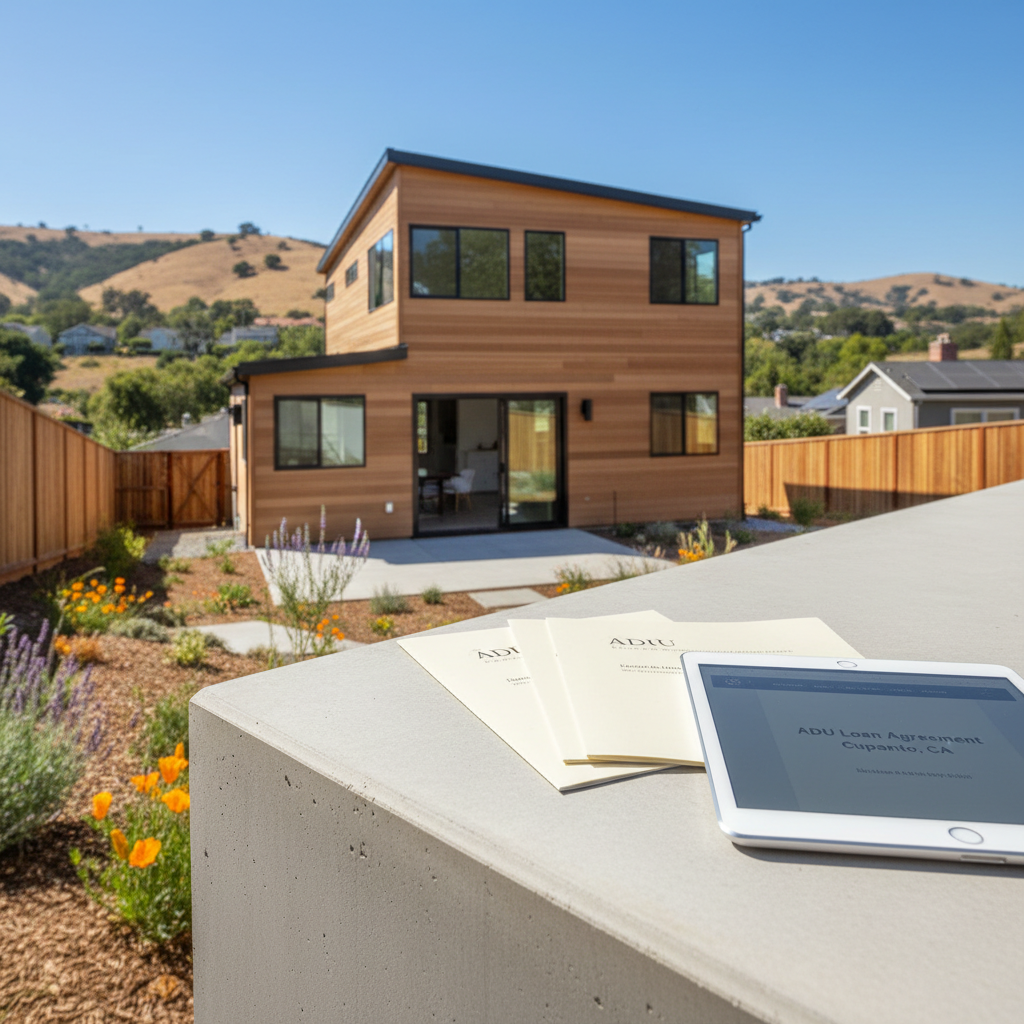
Alright, let's talk money. Building an ADU, whether it's for family, rental income, or just some extra space, is a smart move here in Cupertino. But let's be real, it's not cheap, and figuring out how to pay for it is usually the first big hurdle folks run into. I get asked about financing constantly, so I've pulled together answers to the most common questions I hear. This isn't marketing fluff, by the way; it's just what I've seen on the ground.
What are the most common ways to finance an ADU?
You've got a few main paths here. The best one for you really depends on your current financial situation, how much equity you have in your home, and your credit. The big ones are:
- Cash-out Refinance: With this, you refinance your current mortgage for a bigger amount and take the difference out in cash. It's often a solid choice if you've built up a lot of equity and interest rates are looking good. You're basically swapping your old mortgage for a new, larger one.
- Home Equity Line of Credit (HELOC): Think of a HELOC like a credit card that's backed by your home. You get access to a line of credit up to a certain limit, and you only pay interest on the money you actually borrow. It's super flexible, which is fantastic for construction projects where costs can sometimes be a little unpredictable.
- Home Equity Loan: This is a lump sum loan, also secured by your home's equity. Unlike a HELOC, you get all the cash upfront and start paying it back right away with fixed monthly payments. It's a good fit if you know exactly how much you need and prefer predictable payments.
- Construction Loan: These loans are specifically designed for building projects. The money gets released in stages as construction moves forward, which helps make sure the funds are actually used for the build. They often convert into a regular mortgage once the ADU is finished. Just a heads-up, they can be a bit trickier to qualify for.
- Personal Loan: You don't see these as much for a full ADU build because the amounts are usually smaller and interest rates tend to be higher. Still, it could work for a really small project or to cover a gap in funding.
Do I need a lot of equity to get an ADU loan?
Yeah, you usually do. Lenders see your home's equity as collateral. For a cash-out refi, HELOC, or home equity loan, you'll typically need a good chunk of equity – often 15-20% of your home's value remaining after the loan. If you've owned your Cupertino home for a while, especially with how property values have climbed around here, you probably have a decent amount of equity to tap into. That's what makes these loans possible, after all.
Will adding an ADU increase my property taxes?
Yes, it almost certainly will. When you add square footage or make significant improvements to your property, the county assessor will reassess the value of that new construction. The good news is they typically only reassess the value of the ADU itself, not your entire primary residence. So, your property taxes will go up, but only by the amount linked to the ADU's added value. It's an investment, right? And that's just how the tax system works.
Can I use future rental income to qualify for a loan?
Sometimes, yes! This is a big deal for a lot of people. Lenders understand that an ADU can bring in rental income. Many will let you factor in a percentage of the projected rental income (often around 75%) when they're figuring out your debt-to-income ratio. This can really help you qualify for a larger loan than you might otherwise. You'll usually need to get a market rent analysis from an appraiser to back up your projections. It's a smart way to make the numbers work, especially in a high-rent area like Cupertino.
What's the typical interest rate for ADU financing?
That's a moving target, honestly. Interest rates depend on the type of loan (HELOCs often have variable rates, while home equity loans are fixed), your credit score, the overall market, and, of course, the lender. Generally, rates for home equity products are tied to the prime rate. Construction loans can sometimes start a bit higher. Your best bet is to shop around with a few different lenders and compare their offers based on your specific situation. Seriously, don't just go with the first quote you get.
How long does the ADU financing process take?
It varies, but don't expect it to happen overnight. A cash-out refinance or a home equity loan can take anywhere from 30 to 60 days, sometimes longer if there are unexpected hitches. Construction loans can be even more involved because of the staged disbursements and inspections. Getting your paperwork in order beforehand – tax returns, pay stubs, bank statements, property details – will definitely speed things up. It's a process, so make sure to factor that into your overall project timeline. We at Cupertino ADU Solutions always recommend getting pre-approved for financing before you finalize your plans, that way you know exactly what you're working with.
Are there any special ADU financing programs or grants in California?
Yes, there are! California has really been pushing ADU development, and with that comes some support. The California Housing Finance Agency (CalHFA) has an ADU Grant Program that offers up to $40,000 to eligible homeowners for pre-development costs like architectural plans, permits, and site prep. It's not for the actual construction, but it can significantly offset those initial costs. Eligibility depends on income and other factors, so you'll want to check their website for the latest details. Also, some local lenders might have specific ADU-focused products, so it's always worth asking if they have anything tailored for these projects. It's definitely worth looking into, especially with the high cost of living and building in places like the Stevens Creek corridor.
Any final tips for securing ADU financing?
My biggest tip? Get your ducks in a row early. Know your credit score, understand your home's equity, and have a clear idea of your budget. Talk to a few different lenders – banks, credit unions, and mortgage brokers. They all have different products and criteria, you know? Don't be afraid to ask a lot of questions. This is a big investment, and you want to make sure you're getting the best deal for your situation. Good planning on the financing side makes the whole build process a lot smoother.