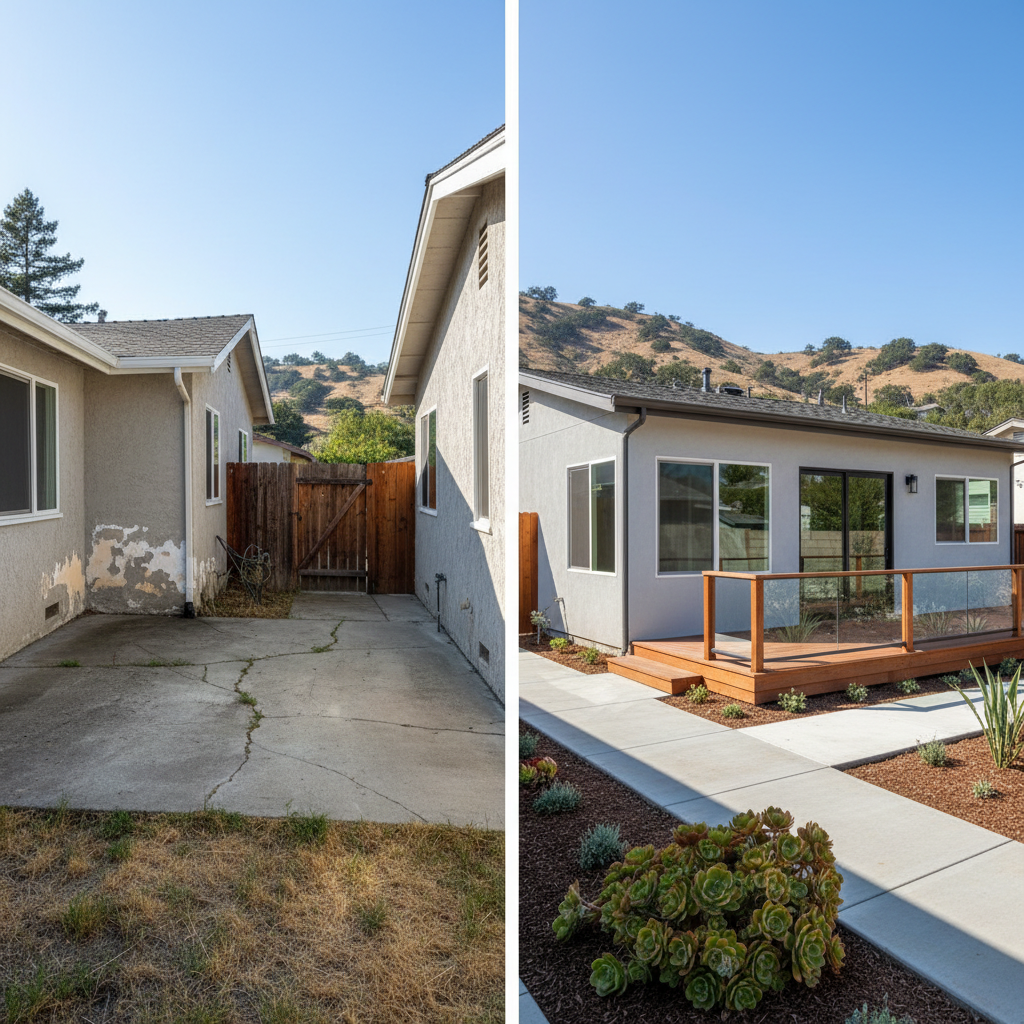
So, you've decided to add an ADU to your property here in Cupertino. Smart move, I'd say, whether you're thinking about family, rental income, or just need some extra space. But before any dirt gets moved, you've got a big decision ahead: who's actually going to manage this whole project? You've essentially got two main paths: you can hire a licensed General Contractor (GC) to handle everything, or you can take on the role of Owner-Builder yourself. Each one has its good points and bad points, and what works for your neighbor on Stevens Creek Boulevard might not be the right fit for you.
The General Contractor Route: Hands-Off, Professional Oversight
Most homeowners go this route, and there's a good reason why. When you hire a GC, you're pretty much handing over the reins for the construction process. They take charge of everything, from scheduling subcontractors and ordering materials to managing inspections and keeping the project on schedule and within budget. They become your single point of contact, which can be a huge relief, honestly.
Cost
Let's be straight about this: hiring a GC will cost you more money upfront. Their fee usually falls somewhere between 15% and 25% of the total project cost. That's their profit, sure, but it also covers their overhead, insurance, and the value of their expertise and time. A good GC, however, can often save you money in other ways. They've already built relationships with subcontractors and suppliers, which means they often get better rates than you ever could. Plus, they know how to avoid those costly mistakes and delays that always seem to pop up.
Durability & Appearance
A reputable GC cares about the quality of their work and their reputation. They typically use skilled tradespeople and make sure the work meets all codes and industry standards. They're also responsible for fixing any issues that come up during construction or soon after. This usually means you get a well-built, durable ADU that looks great and works properly. They're also better equipped to deal with specific local challenges, like the expansive clay soils we often see around the Cupertino foothills, making sure your foundation work is done right.
Maintenance
When a pro builds your ADU, it's generally built right the first time. That means fewer headaches down the road. They'll make sure the flashing, waterproofing, and material choices are correct, which cuts down on the chance of premature wear or damage. If something does go wrong, you'll have their warranty to fall back on.
My Take
For most homeowners, especially those with busy jobs or not much construction experience, hiring a GC is the smart move. It cuts down on stress, guarantees professional quality, and gives you a clear line of accountability. You're paying for expertise and, let's be honest, some peace of mind.
The Owner-Builder Route: Hands-On, High Stakes
The Owner-Builder option means you, the homeowner, become the general contractor. You pull the permits, hire and oversee all the subcontractors (plumbers, electricians, framers, roofers, you name it), order materials, and manage the schedule and budget yourself. It sounds tempting because you think you're saving that 15-25% GC fee.
Cost
This is where the biggest perceived saving comes in. You theoretically save the GC's profit margin. But here's the reality check: you only actually save that money if you do everything perfectly. Most homeowners really underestimate the time commitment, the complexity, and how easily costly mistakes can happen. You might pay retail for materials, struggle to find reliable subs, or face delays because things aren't coordinated well. Just one mistake, like bad waterproofing or missing an inspection, can easily eat up any 'savings' you thought you had, and then some.
Durability & Appearance
This is a huge variable, isn't it? If you're an experienced project manager or have a construction background, you might pull it off. But if you're not, you're relying on your ability to vet subcontractors, understand building codes, and oversee quality control. It's easy for things to get missed, which can lead to compromised durability or an appearance that just isn't professional. Corners can get cut, not necessarily on purpose, but because of inexperience. I've seen owner-built projects where the final fit and finish just aren't quite right, or worse, structural issues pop up later because something wasn't done correctly.
Maintenance
If the ADU isn't built to a high standard, you'll probably face more maintenance issues sooner. You'll be the one dealing with callbacks to individual subs (if they even bother to respond), or even worse, paying out of pocket to fix problems that a GC would have handled under warranty. You're also personally liable for any injuries that happen on your job site, which is a significant risk many owner-builders don't fully grasp. That's a big one.
My Take
I only recommend the Owner-Builder route for a very specific kind of homeowner: someone with a lot of construction or project management experience, plenty of free time, and a high tolerance for stress and risk. For everyone else, those 'savings' are often an illusion, quickly replaced by headaches, delays, and potentially a less durable product. The liability alone is a huge concern.
My Recommendation for Cupertino Homeowners
Look, I've been doing this for a while with Cupertino ADU Solutions, and I've seen both scenarios play out. For the vast majority of homeowners in Cupertino, especially considering how complex local permitting is and the high cost of property here, hiring a qualified General Contractor is the clear winner. You're making a big investment in your property; don't try to save a few bucks by taking on a job that needs specialized knowledge and experience you just don't have.
A good GC acts as your advocate, makes sure the quality is there, keeps the project moving, and ultimately delivers a finished product that adds real value to your home without adding years to your life in stress. You'll likely end up with a better, more durable ADU, built faster, and with far less personal hassle. It's about smart investment, not just the upfront cost.